
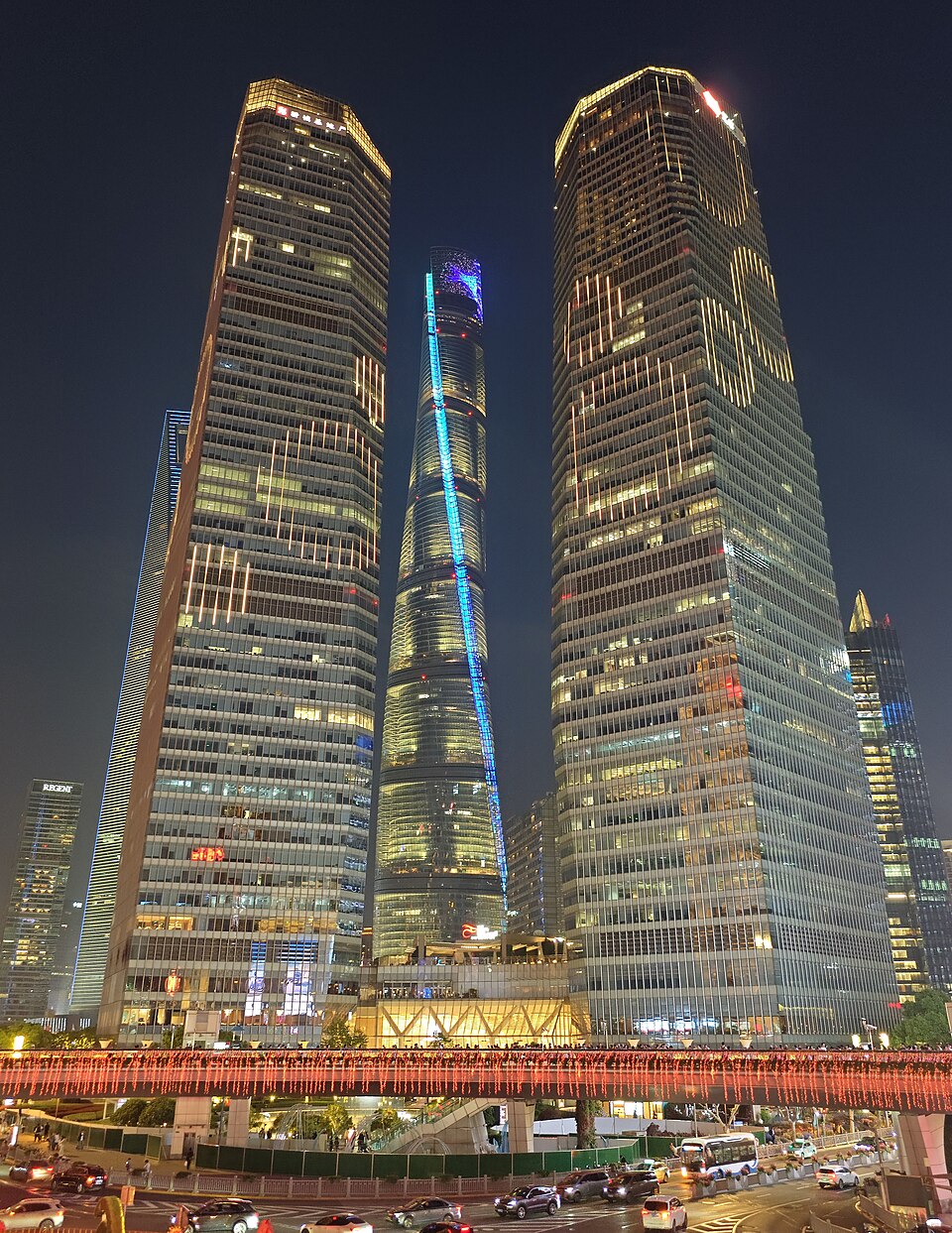
IFC Mall
上海国金中心商场
Pudong New Area
Plan Shanghai one area at a time. Choose where to stay, group nearby stops, and sort out your airport journey with our city map and practical travel guides.
13 places
上海国金中心商场
Pudong New Area
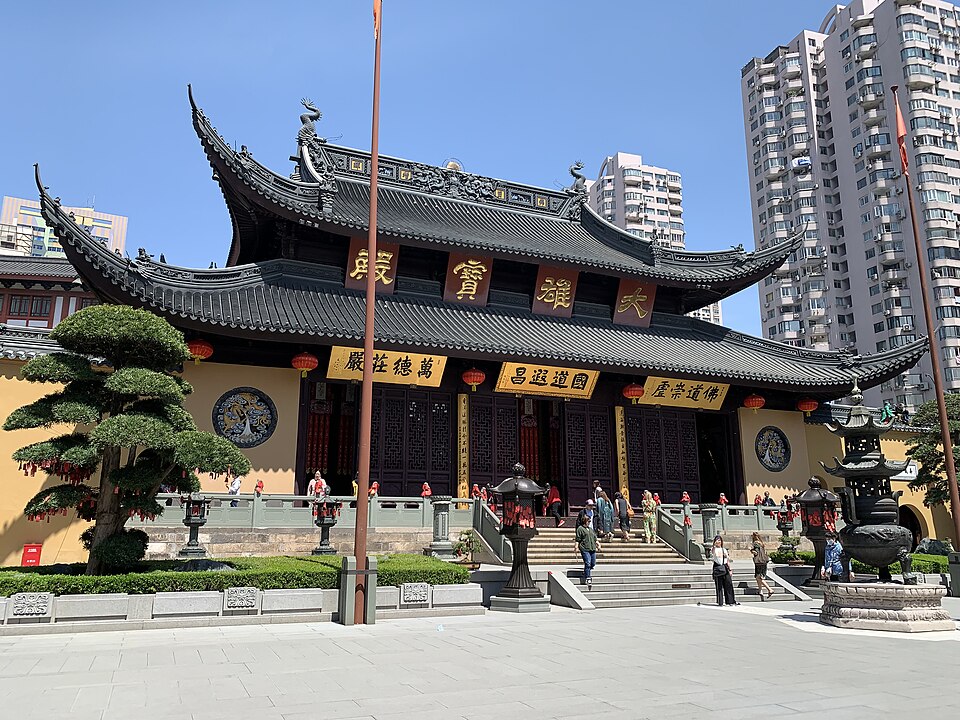
玉佛禅寺
Putuo District
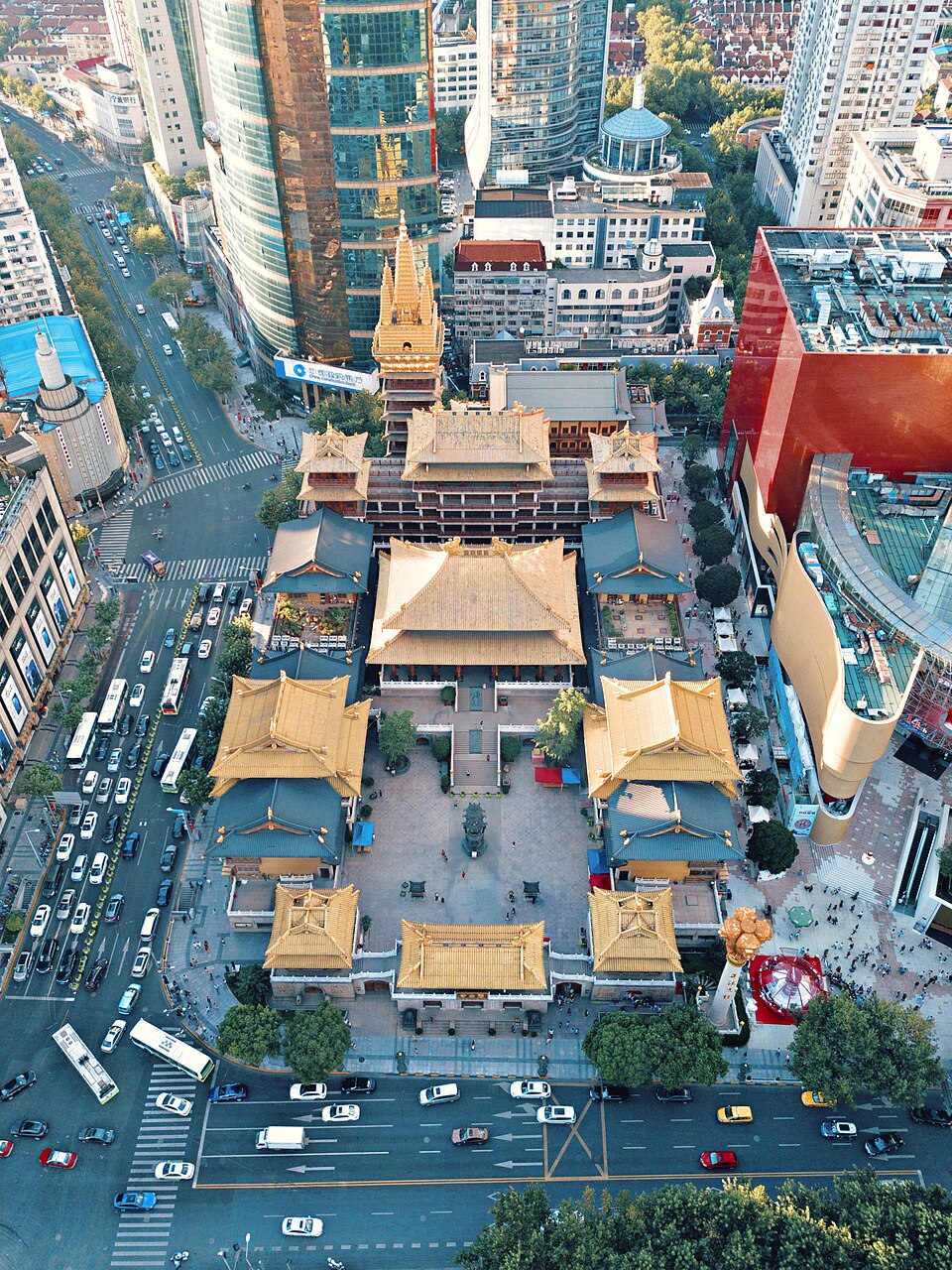
静安寺
Jing'an District
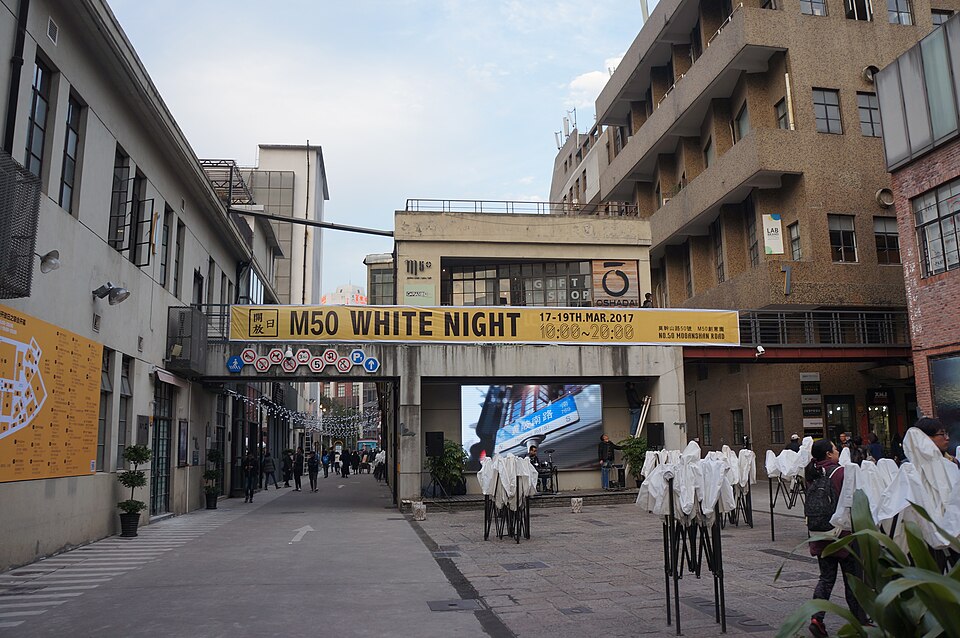
M50创意园
Putuo District
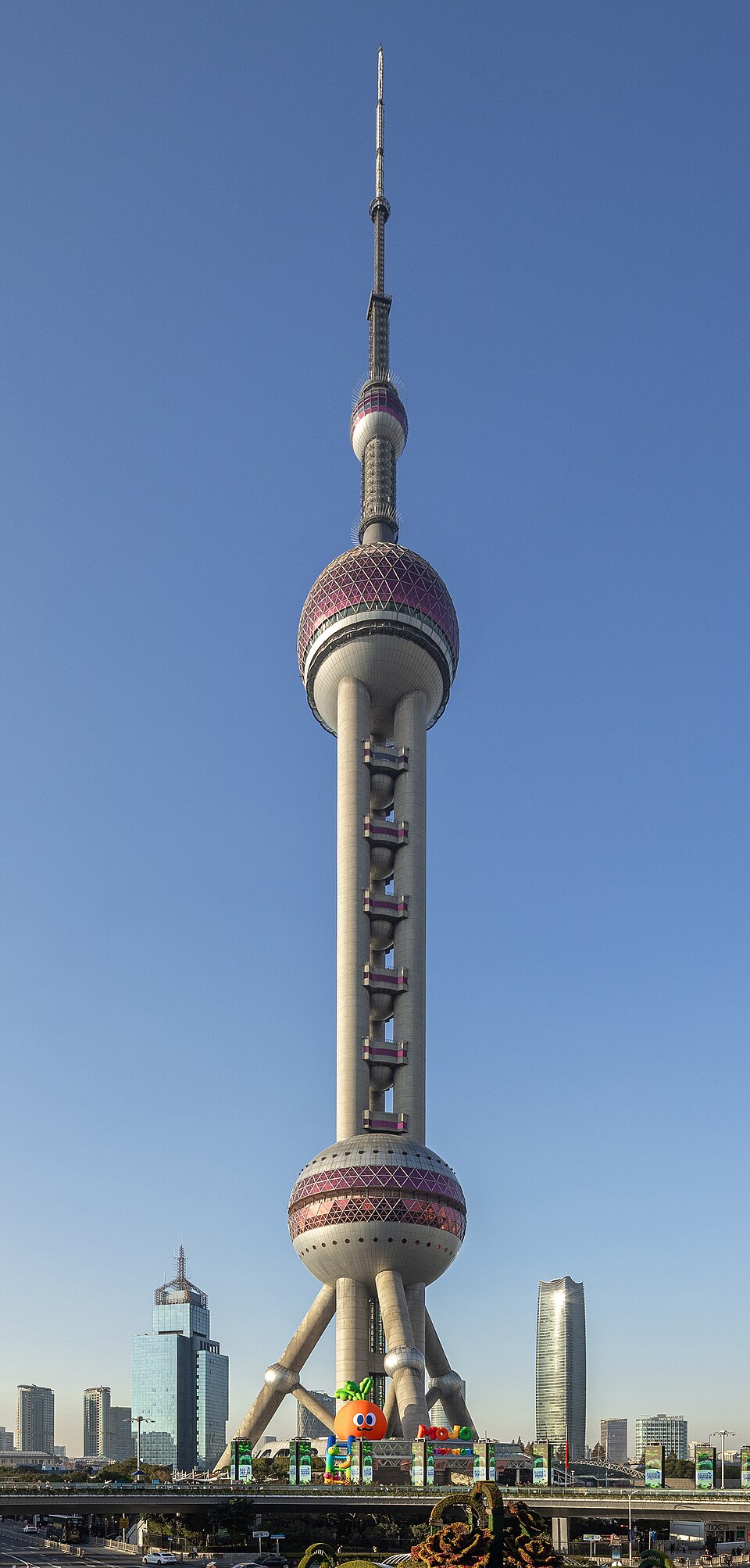
东方明珠广播电视塔
Pudong New Area
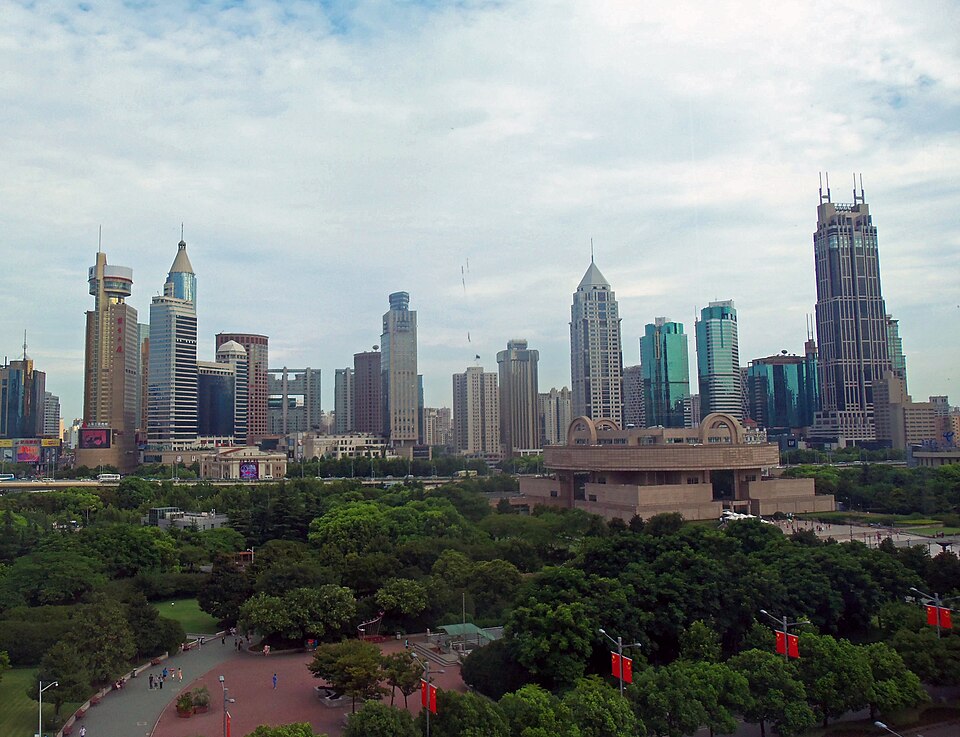
人民公园
Shanghai
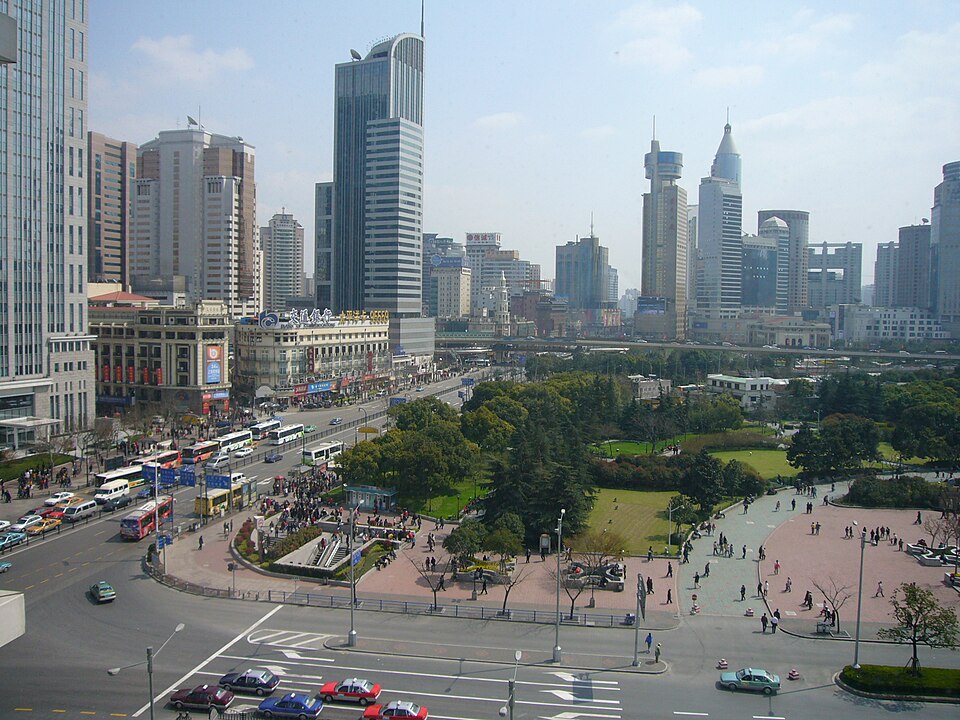
人民广场
Shanghai
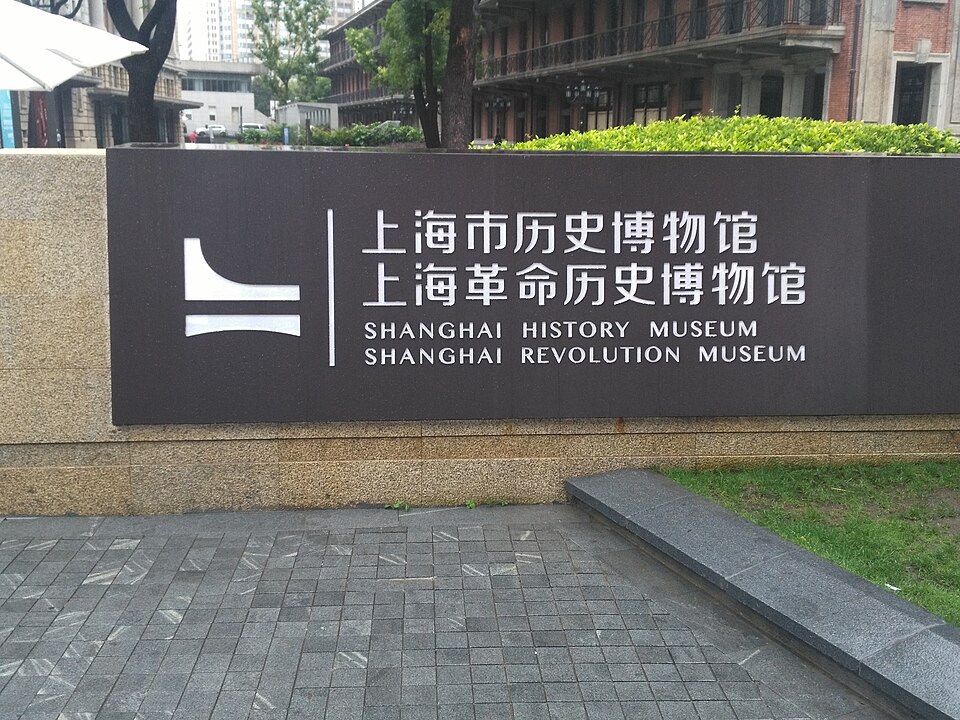
上海市历史博物馆
Huangpu District
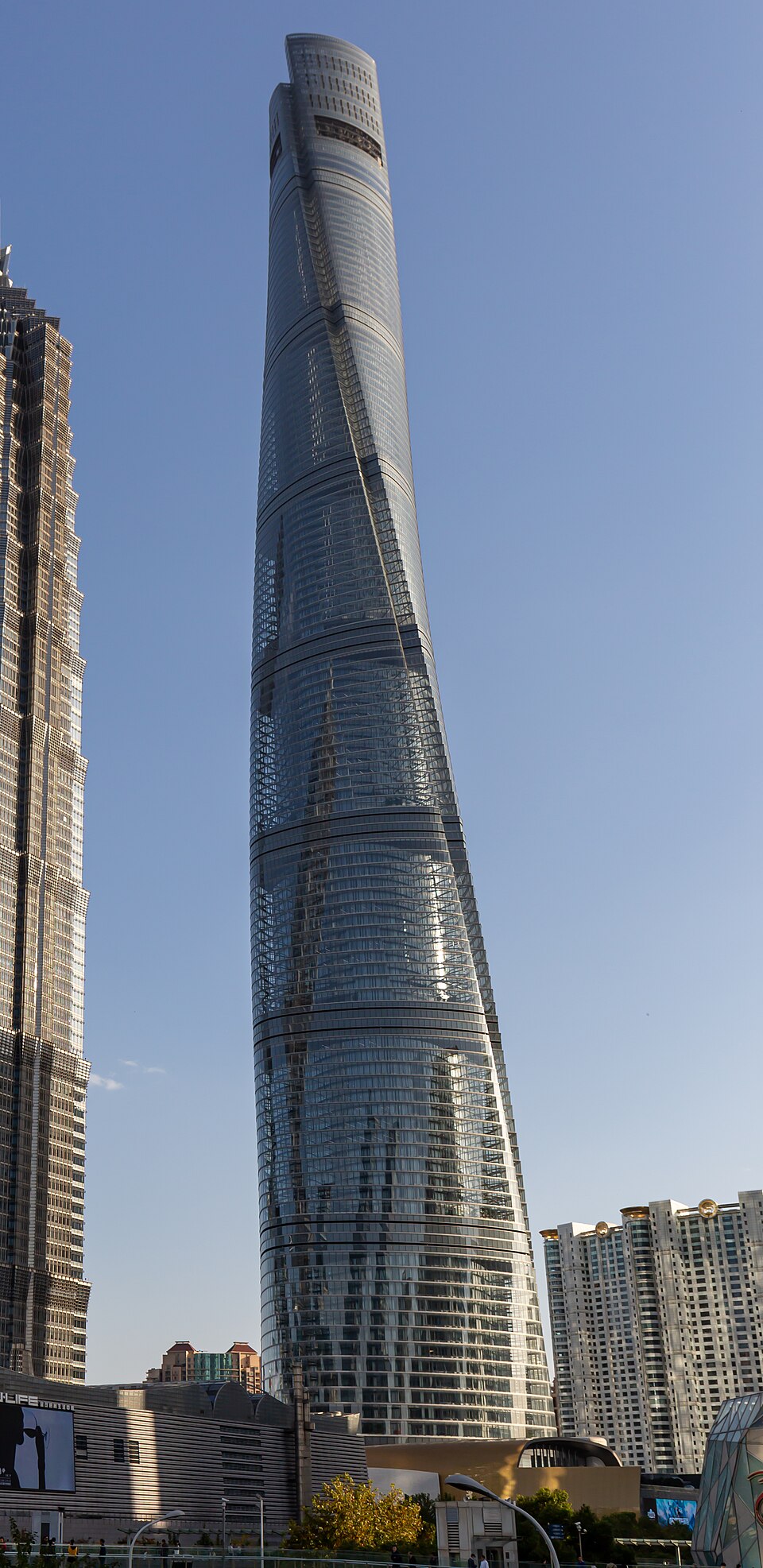
上海中心大厦·上海之巅观光厅
Pudong New Area
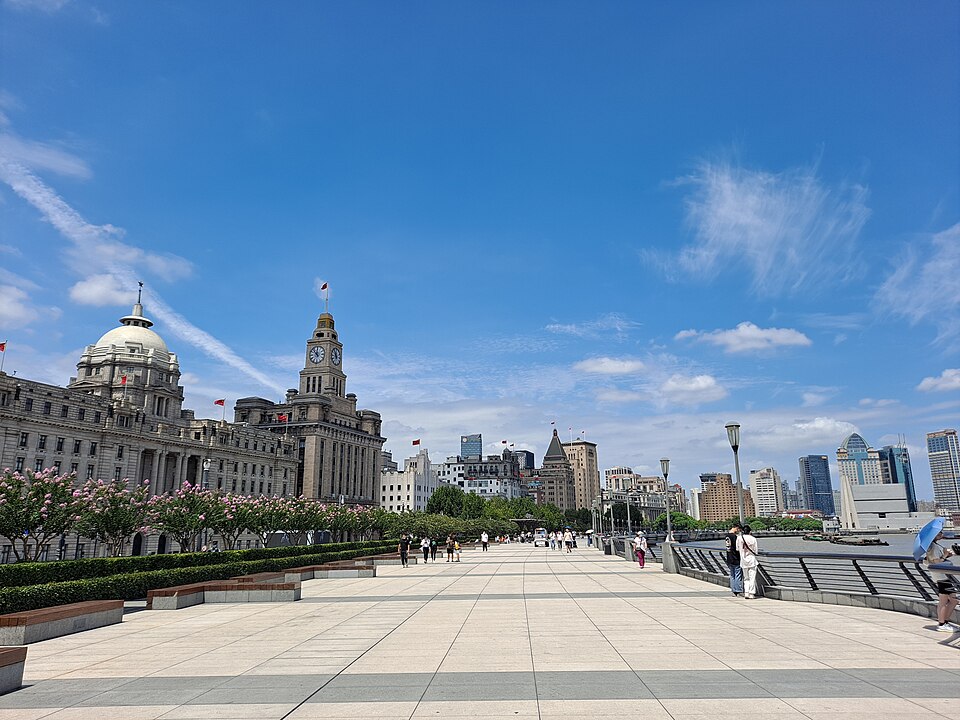
外滩
Shanghai
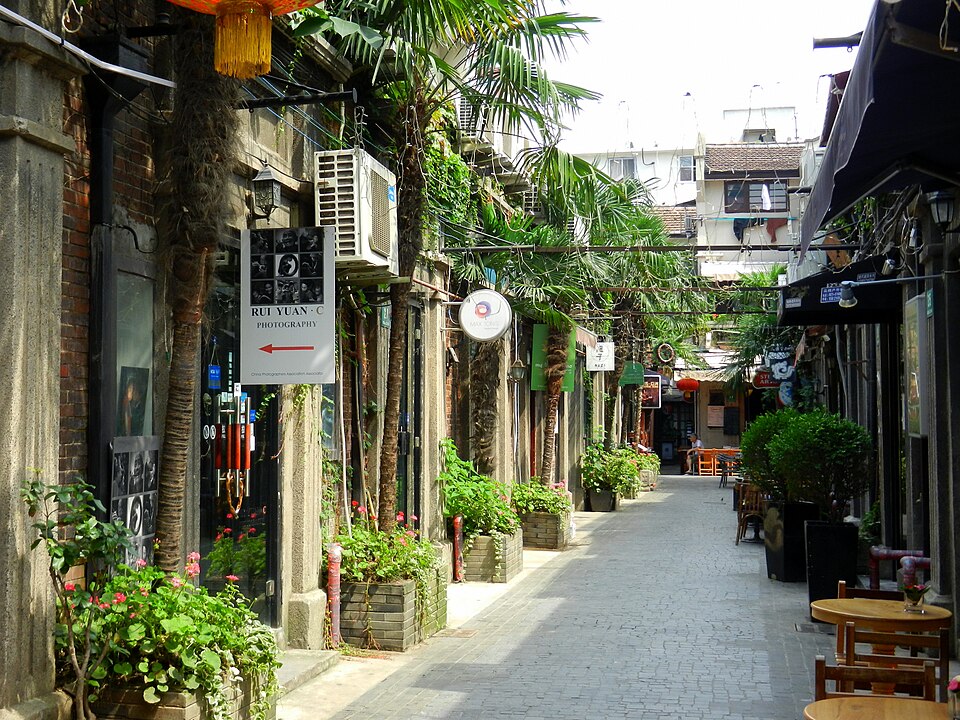
田子坊
Huangpu District
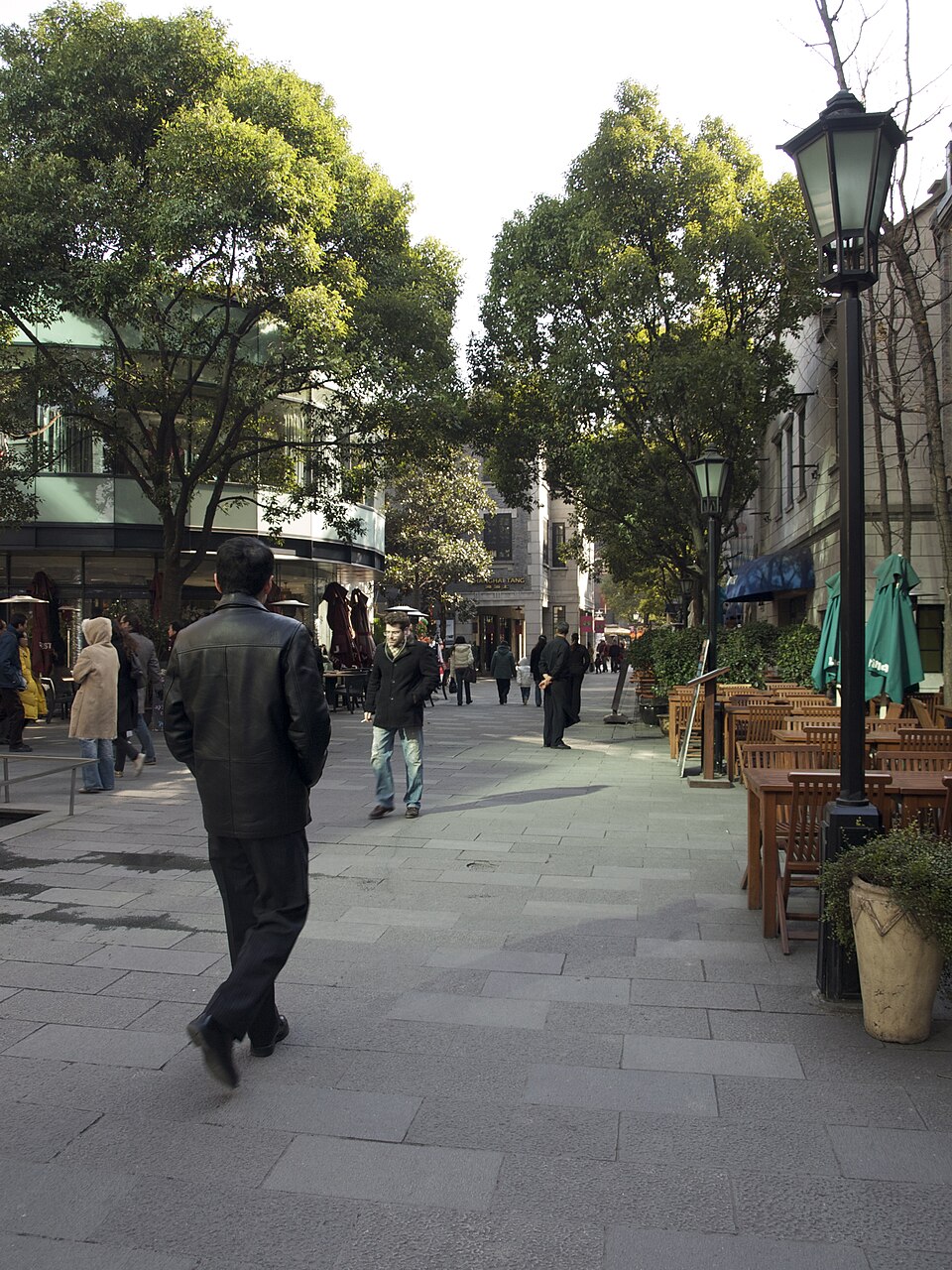
新天地
Huangpu District
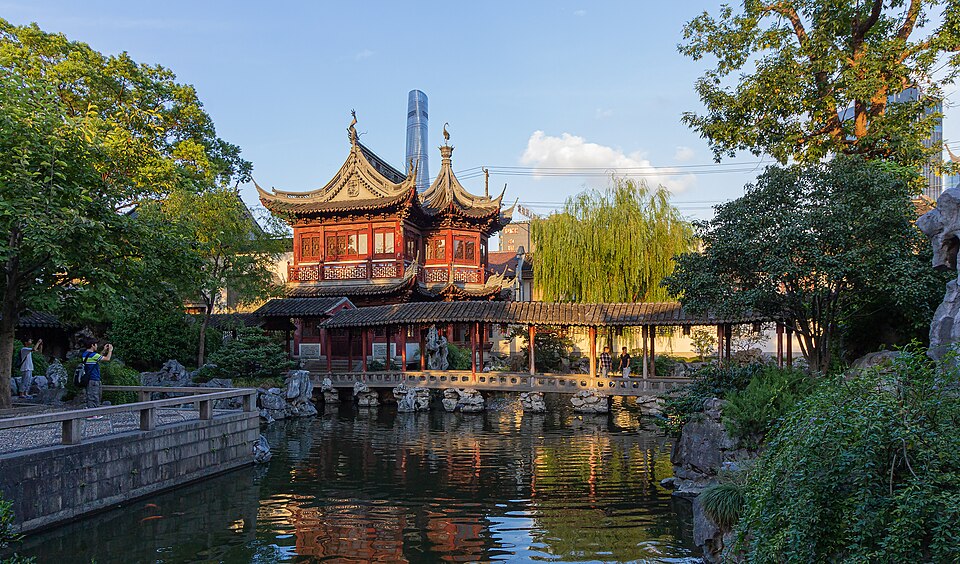
豫园
Huangpu District
Find each place on the map, with addresses and information for your visit.
Give each day a geographic focus. Start with one of the areas below, then check the route, reservations, and opening details for the places you choose.
Pair riverfront views with the old-city area when you want a central day with short onward journeys.
Use this central cluster for museums, city streets, and an easy connection to several other districts.
Choose this area for a slower walk through the former French Concession streets, with fewer fixed stops.
Plan this side of the river as its own cluster so a skyline stop and a museum visit do not become repeated cross-river trips.
Decide which areas matter most before filling each day with individual attractions. A three-day plan can give each day a clear part of the city, leave time for meals and transfers, and keep one flexible block for weather or a changed booking.
If you are choosing a base, compare the neighborhood with your arrival point and the places you expect to visit. A famous address can still be inconvenient for your own route. Late arrival also changes the value of a hotel that is easy to reach from the airport or station.
Write down your airport or station, accommodation name, and accommodation address in Chinese before departure. For a Pudong Airport arrival, choose transport using the time you expect to clear the airport, your luggage, and the last part of the journey to the hotel. A scheduled landing time is not a reliable estimate of when you will reach a train or bus.
Finish the travel tasks that are easier at home. Check the entry route for your passport and dates, keep access to the number used by your bank, prepare a working payment method, and decide how your phone will connect. Each linked guide below carries the current qualifications and sources for that specific task.
Use your actual travel dates to check national holidays, dated events, attraction notices, and the forecast. Seasonal pages are most useful when they separate a confirmed calendar from conditions that can change. An old festival date or blossom photograph should not decide a future booking.
October travel needs a check against the current National Day calendar and each venue's holiday notice. For spring blossoms, wait for a dated bloom report and current park information. Keep an alternative nearby so a weather change or different flowering week does not undo the whole day.
Open a place page for its recorded English and Chinese names, address, admission notes, and source links. When a detail is unresolved, the page says so instead of filling the gap with an estimate. Keep the Chinese address handy for a taxi driver or when searching a local map app.
Use the map to see which chosen places fit together, then narrow the list by name or category. The venue directory is useful when you already know a place's English or Chinese name and want to go straight to its details.
Area groupings checked against the Shanghai Municipal Government visitor overview on 14 September 2026. Specialist guides keep their own source dates and qualifications.